The honest answer to "do I need a public adjuster" is that it depends on the size and shape of your claim, not on whether hiring one sounds appealing. Because the fee comes out of whatever gets recovered, the right test is not "would a professional help," it is "would a professional plausibly change the outcome by more than their cut costs." Small, clean, undisputed claims usually fail that test. Denials, lowball offers, and complex or catastrophic losses usually pass it.
Start with the shape of the claim, not the dollar amount
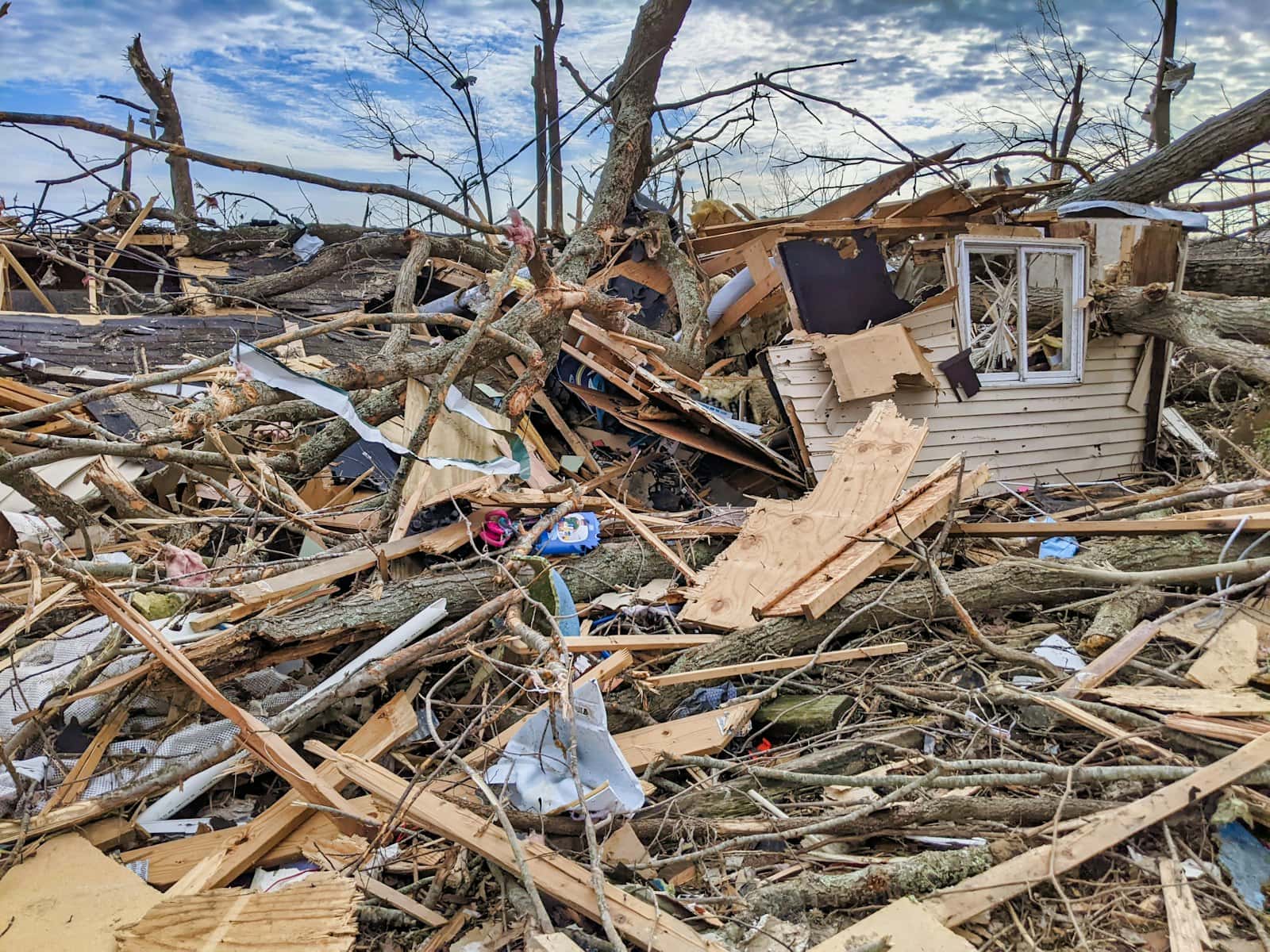
Instead of thinking in specific dollar figures, which vary enormously by market and policy, think in terms of complexity and dispute. A claim with a single, visible cause of loss that your insurer has already priced close to what your own contractor quotes is a different animal than a claim involving hidden water intrusion, a partial denial, or a total loss where you are rebuilding a house and a life at the same time. The more moving parts, the more a professional's ability to document and negotiate scope actually moves the number.
Signs the claim probably does not need one
- The loss is limited and clearly covered, and the carrier's estimate roughly matches what your own contractor or repair quotes show
- You received a prompt, reasonable settlement offer with no denial, no reservation of rights letter, and no pattern of delay
- The damage is cosmetic or easily itemized, with no hidden water, smoke, or structural issues that require specialized documentation
- You have the time and inclination to read your policy, document damage yourself, and negotiate directly, and the claim is simple enough that doing so is realistic
If your situation matches most of these, a public adjuster's percentage cut is unlikely to be offset by what they can add, and a fair, prompt insurer response deserves to be accepted rather than fought on principle.
Signs it is worth hiring one
- The claim was denied outright, especially citing a policy exclusion or definition you do not fully understand
- The insurer's offer is well below what your own contractors, engineers, or repair estimates support, and that gap has not closed after you pushed back
- You are dealing with a total loss or a rebuild, where scope, code-upgrade coverage, and additional living expenses require careful, ongoing documentation
- The property is commercial, involves business interruption, or has multiple structures or income streams, adding complexity that a homeowner-focused claims process was not built to handle