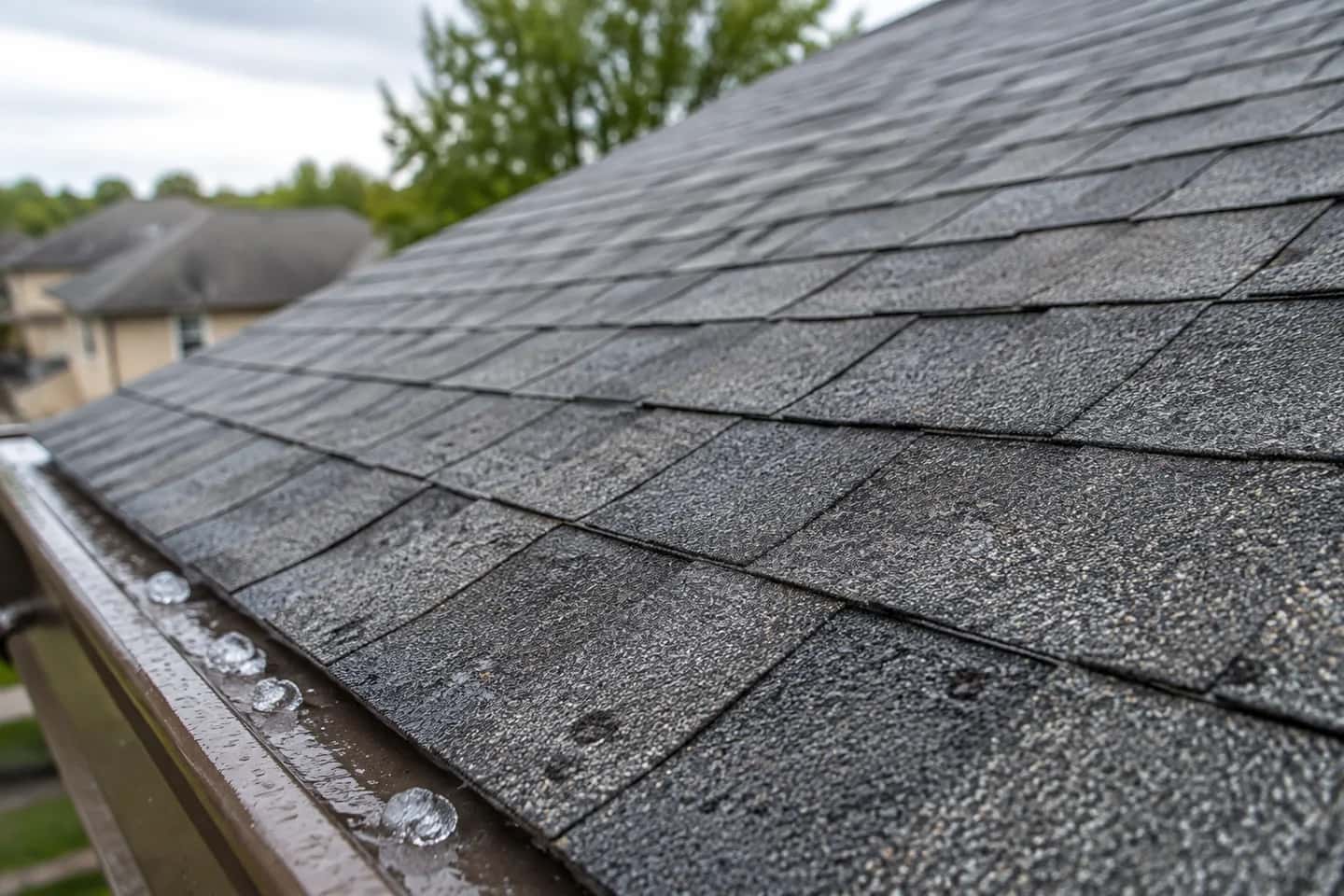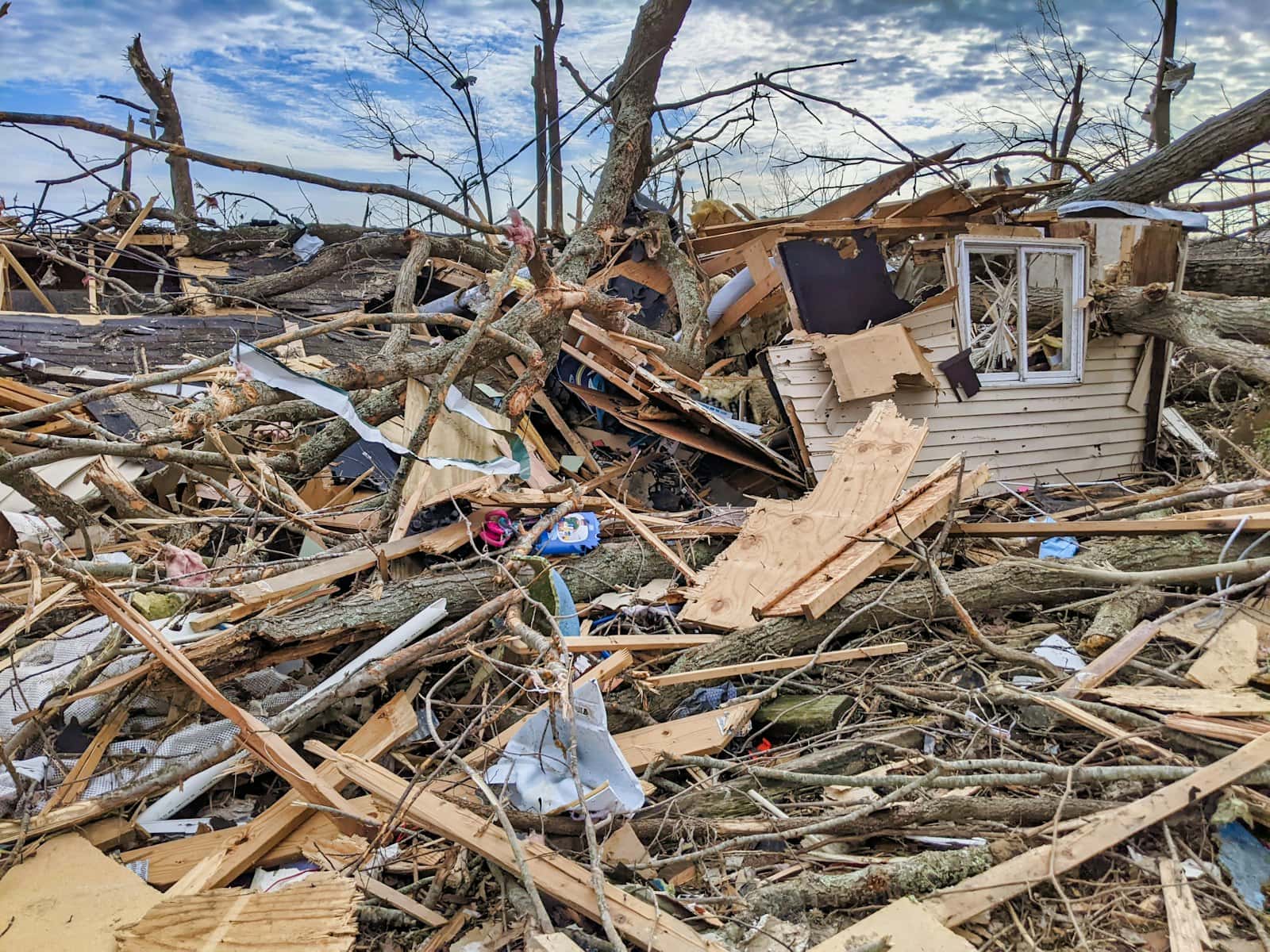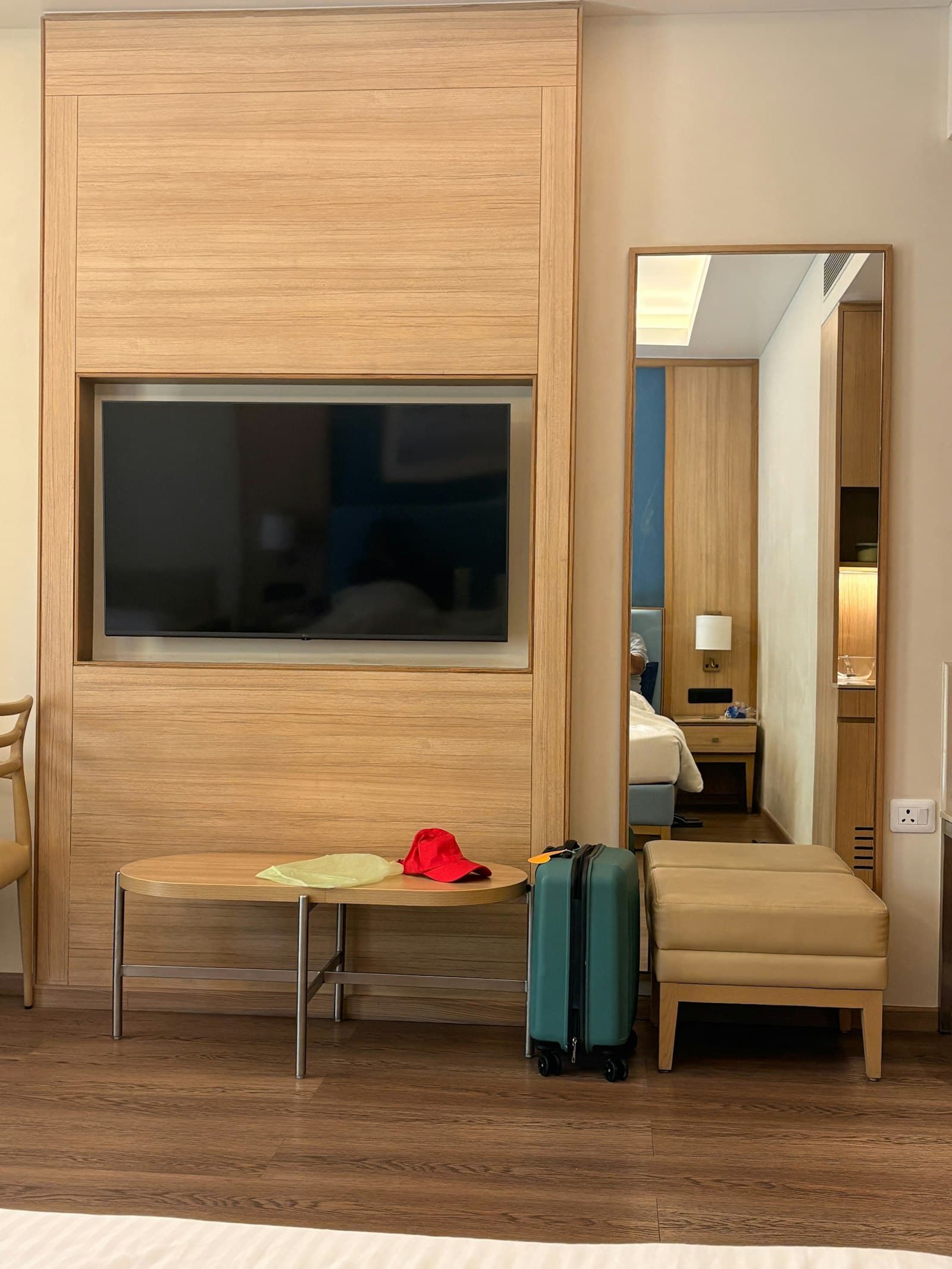
Additional Living Expenses coverage, labeled Loss of Use or Coverage D on a standard homeowners policy, is the part of your policy that pays the extra cost of living somewhere else while your home is being repaired or rebuilt after a covered loss. It is one of the most underclaimed pieces of a homeowners policy because people do not realize it exists until they are already standing outside a house that smells like smoke or standing in three inches of water, and by then they have thrown away receipts they did not know they needed.
What ALE actually covers
ALE is not designed to fund a nicer lifestyle while your house is being fixed. It is designed to cover the increase in your normal cost of living caused by the loss. That distinction matters for every dollar you try to claim. Typical covered items include:
- Temporary housing costs, such as a hotel, extended-stay rental, or short-term lease
- The increase in your food costs from eating out or ordering in versus cooking at home
- Extra transportation expenses, like additional mileage or a longer commute from temporary housing
- Pet boarding if your usual living arrangement did not require it
- Storage fees for salvageable belongings while the home is uninhabitable
The core legal language, drawn from the ISO HO-3 form used as the template for most standard homeowners policies, pays "any necessary increase in living expenses" so you can maintain your household's normal standard of living, for the shortest time required to repair or replace the home or to permanently settle your household elsewhere.
What ALE does not cover
ALE only pays the increase over what you were already spending. If your mortgage payment continues during repairs, that is not an ALE expense, because you would be paying it regardless. The same goes for expenses unrelated to housing, like credit card debt or subscriptions, and for costs that existed before the loss. If you already ate out three nights a week, only the additional restaurant spending beyond that baseline counts. Insurers will often ask for a rough sense of your pre-loss habits to establish that baseline, which is one more reason documentation matters from day one.
How the payout is calculated
Adjusters generally calculate ALE as the difference between your ordinary cost of living and your cost of living during displacement, not as a flat reimbursement of every receipt you hand over. A hotel bill of a certain nightly rate is not automatically approved in full if your mortgage and utilities you are no longer paying add up to a meaningful daily amount, because the insurer will often net that out. This is exactly the kind of calculation where a public adjuster or a careful homeowner keeping their own numbers can catch an insurer lowballing the "normal" baseline to shrink the payout.