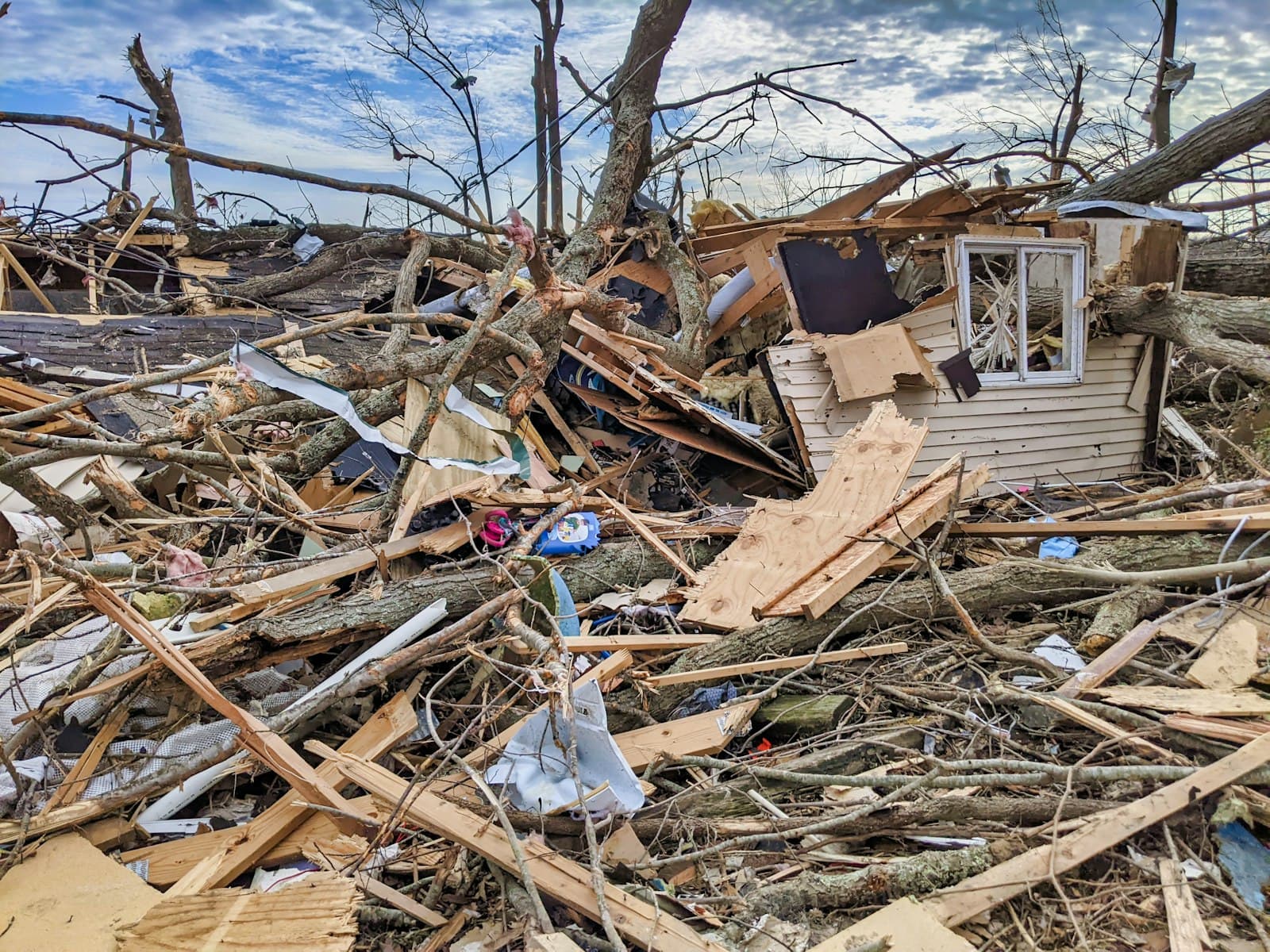
When an insurer determines your home is a "total loss," the claim does not just get bigger, it changes shape. Instead of adjusting a repair estimate, the company is now valuing the structure itself against your dwelling coverage limit, your contents claim becomes a full room-by-room inventory instead of a list of damaged items, and coverages you may never have thought about, like ordinance-or-law and additional living expenses, start doing the heavy lifting.
How "total loss" gets determined
There is no single national trigger for when a property claim becomes a total loss. It generally comes down to whether the estimated cost to repair the structure approaches or exceeds what it would cost to replace it, weighed against the dwelling's insured value, and the exact threshold varies by insurer, by policy language, and by state. What matters practically is this: once your insurer treats the claim as a total loss, the adjusting approach changes from "what will it cost to fix this" to "what is owed under the policy's total-loss provisions," and those provisions live in your specific policy.
What changes procedurally
Once a claim moves into total-loss territory, several things happen at once, and it helps to see them as separate tracks rather than one lump payment:
- The dwelling (structure) claim gets valued against your dwelling coverage limit, and how it is paid depends on whether your policy pays replacement cost or actual cash value, and whether you intend to rebuild.
- The contents claim typically shifts from a list of specific damaged items to a full household inventory, because in a fire or a total structural loss there is usually nothing left to itemize room by room from memory alone.
- Additional Living Expense coverage kicks in to pay for temporary housing and related costs while you are displaced, but that coverage is not unlimited. It generally has both a dollar cap and a time cap, and a slow claims process or a slow rebuild can burn through the ALE limit before you are back in a home.
- Ordinance-or-law coverage becomes critical for anything but a brand-new house. If your home was built decades ago, current building codes for wiring, plumbing, or flood elevation may require spending more to rebuild than it would have cost to simply replicate the old structure, and standard dwelling coverage does not automatically cover that gap.
The mistake of signing the first offer too fast
After a fire or hurricane, the pressure to accept whatever number the insurer first proposes is enormous. But a total-loss valuation is a negotiation, not a fixed calculation the insurer hands down. Depreciation assumptions, code-upgrade costs, and contents inventory values are all points where a documented, well-supported claim recovers meaningfully more than a rushed one. Once you cash a settlement check marked as final payment on the claim, you generally lose the ability to go back and ask for more, so slow down enough to have the total-loss valuation reviewed, whether by a public adjuster, a contractor giving you an independent rebuild estimate, or an attorney, before you sign off.