A denial letter is written by the insurance company's lawyers, for the insurance company's benefit, and it is designed to sound final. It often is not. Some denials reflect a real, legitimate coverage limit that no amount of pushing will change. Others use technically accurate language to walk away from a claim that a closer look would support. Knowing which denial reason you are looking at, and what actually rebuts it, is the difference between accepting a bad outcome and fighting one you can win.
"Wear and tear" or maintenance exclusion
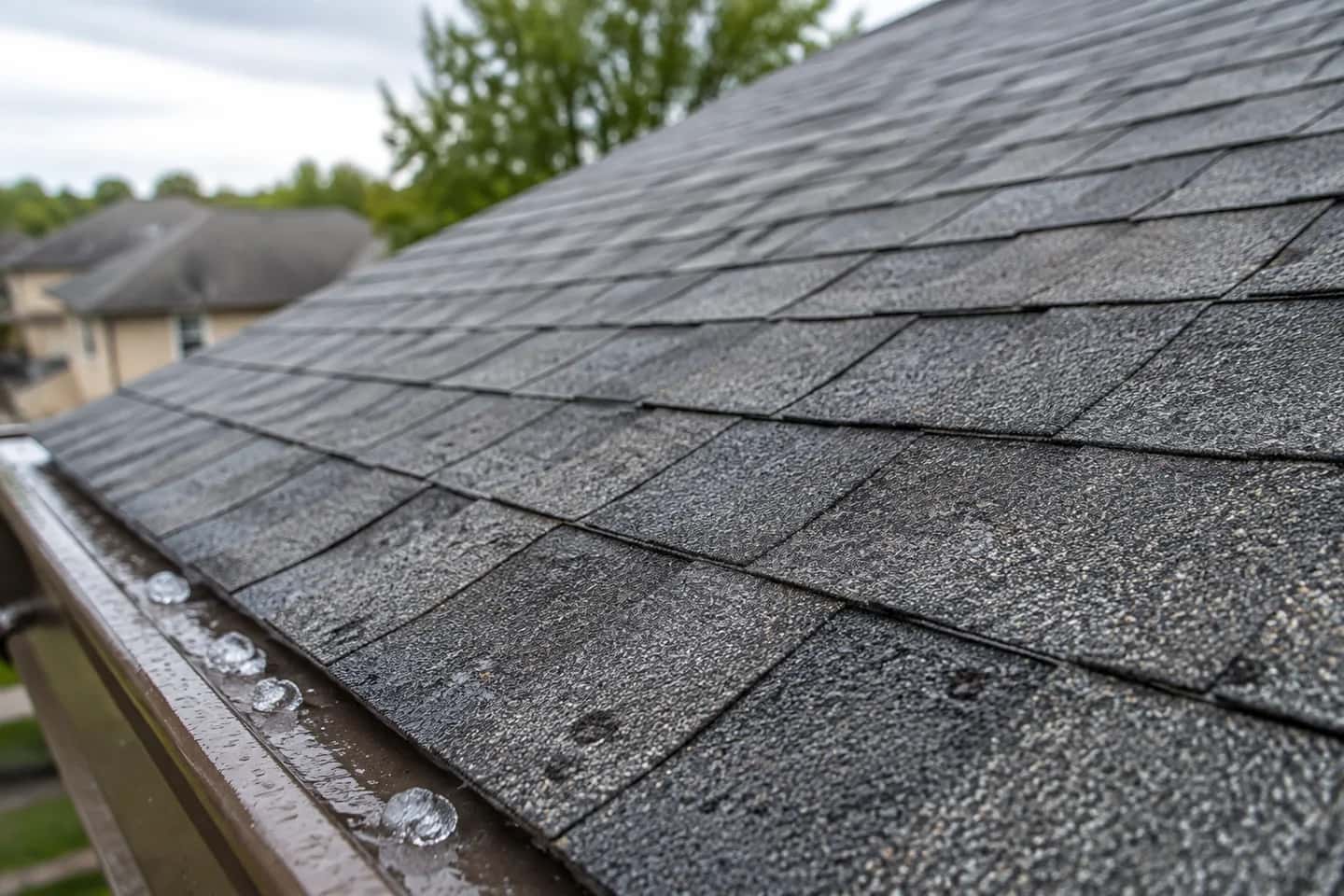
Every homeowners policy excludes gradual deterioration, the idea being that insurance covers sudden accidental loss, not the ordinary aging of a home. This is legitimate when the evidence genuinely shows a long-developing problem. It is worth challenging when the timeline does not add up, such as a roof that passed a recent inspection or mortgage appraisal shortly before a storm. The rebuttal evidence here is dated, before-and-after documentation, prior inspection reports, maintenance records, and dated photographs.
"Pre-existing damage"
The insurer is asserting that some or all of the damage you are claiming already existed before your policy's coverage period, or before the specific event you are claiming. This is legitimate if there is genuine before-and-after evidence showing the same damage predates the loss. It becomes a pretext when the insurer offers no comparison evidence at all. Your best rebuttal is your own prior documentation, closing inspection photos, prior insurance claim history, and contractor or engineer reports establishing the damage's actual timeline.
Excluded peril, such as flood or earth movement
A standard HO-3 homeowners policy does not cover flood or earth movement, full stop. Earth movement, covering earthquakes, landslides, sinkhole activity, and similar events, is a blanket exclusion in virtually every HO-3 policy sold in the country. Flood damage, including storm surge and water that enters from outside the structure, is likewise excluded and requires a separate National Flood Insurance Program policy or private flood coverage. When an insurer denies a claim on this basis, check first whether the denial is factually accurate, meaning did the damage actually originate from ground-level water intrusion or ground movement, as opposed to wind-driven rain or a burst pipe, which are typically covered.
Late notice
The insurer says you did not report the loss quickly enough. This is legitimate when you genuinely sat on a known loss for an extended period with no reasonable excuse. It is a pretext, or at least worth challenging, when the delay was reasonable or when you can show the insurer suffered no actual harm from the timing. Many states require an insurer to show it was actually prejudiced by late notice before a late-notice denial can stand.