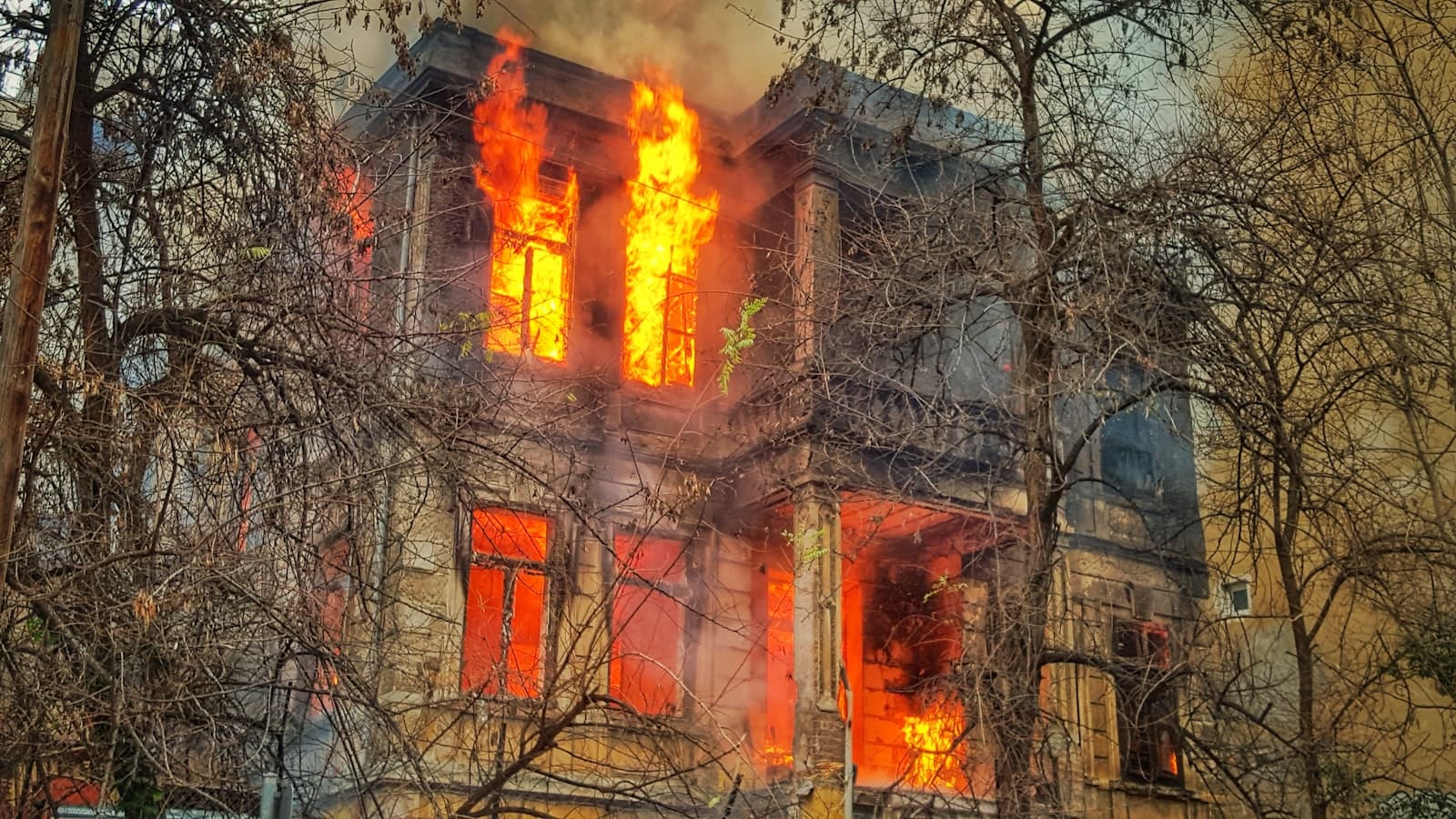
The single most common mistake after a house fire is cleaning up too fast, often within the first day or two, out of an understandable need to feel normal again or to stop looking at the wreckage. That instinct destroys the evidence you need to prove the full scope of your loss, because fire damage is rarely just the burned room. Smoke and soot travel through HVAC ducts, wall cavities, and closed rooms far from the fire's origin, leaving damage that is not visually obvious until you know what you are looking for, and once you have cleaned, repainted, or thrown things away, you have made that damage nearly impossible to prove.
According to NFPA's most recent national report, an estimated 329,500 home structure fires occurred in the United States in 2024, causing roughly $11.4 billion in direct property damage. Those are national totals, not evidence for your specific claim, but they underline that fire claims are common enough that insurers have well-worn playbooks for minimizing them, and your best counter to that is documentation before anything gets touched.
Document room by room, before you clean anything
Treat your home like a scene that needs a full record before it is disturbed. Go room by room, including rooms untouched by open flame, and photograph and video everything: ceilings, walls, floors, contents, closets, and any HVAC vents or returns. Soot travels on air currents, so a bedroom two doors down from the fire's origin can still have a fine film of soot on surfaces, inside drawers, and on clothing, and that damage needs to be recorded before anyone starts wiping surfaces down or running fans to clear the smell.
Photograph char patterns, water pooling, scorched wiring or outlets, and anything the fire department noted in its report. Request a copy of the fire department incident report as soon as it is available; it typically documents point of origin, cause, and the extent of the fire crew's overhaul work, and it becomes a key reference document for your claim.
Three kinds of damage, often argued separately
A single fire event usually produces three distinct categories of damage, and insurers sometimes try to treat them as separate questions rather than one connected loss:
- Direct fire damage, the charring, burning, and structural loss where flames actually reached
- Smoke and soot damage, which spreads well beyond the fire's footprint and can affect air quality, HVAC systems, textiles, and finishes throughout the home
- Water damage from firefighting efforts, since extinguishing a fire almost always means water into walls, ceilings, and flooring, sometimes throughout multiple floors