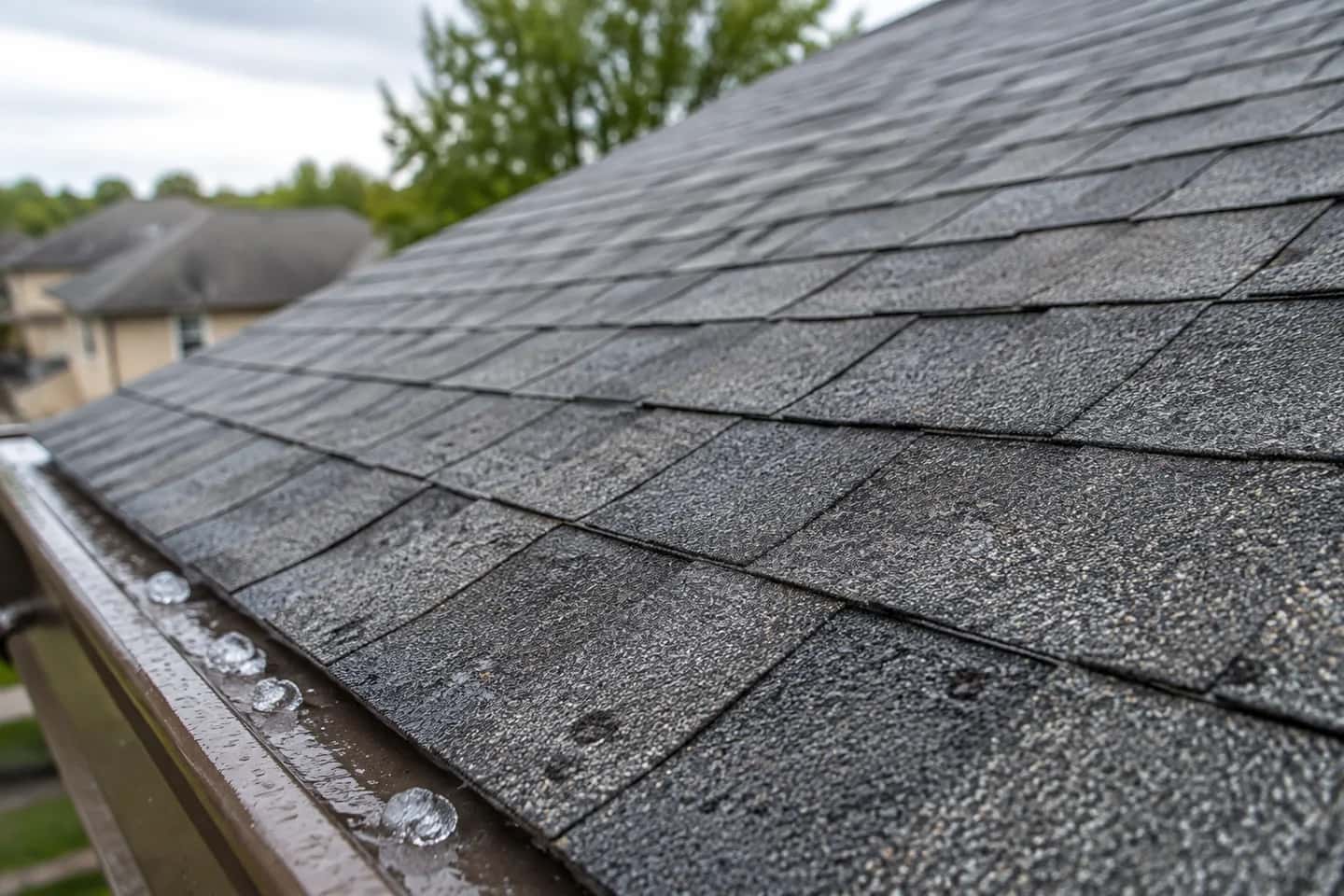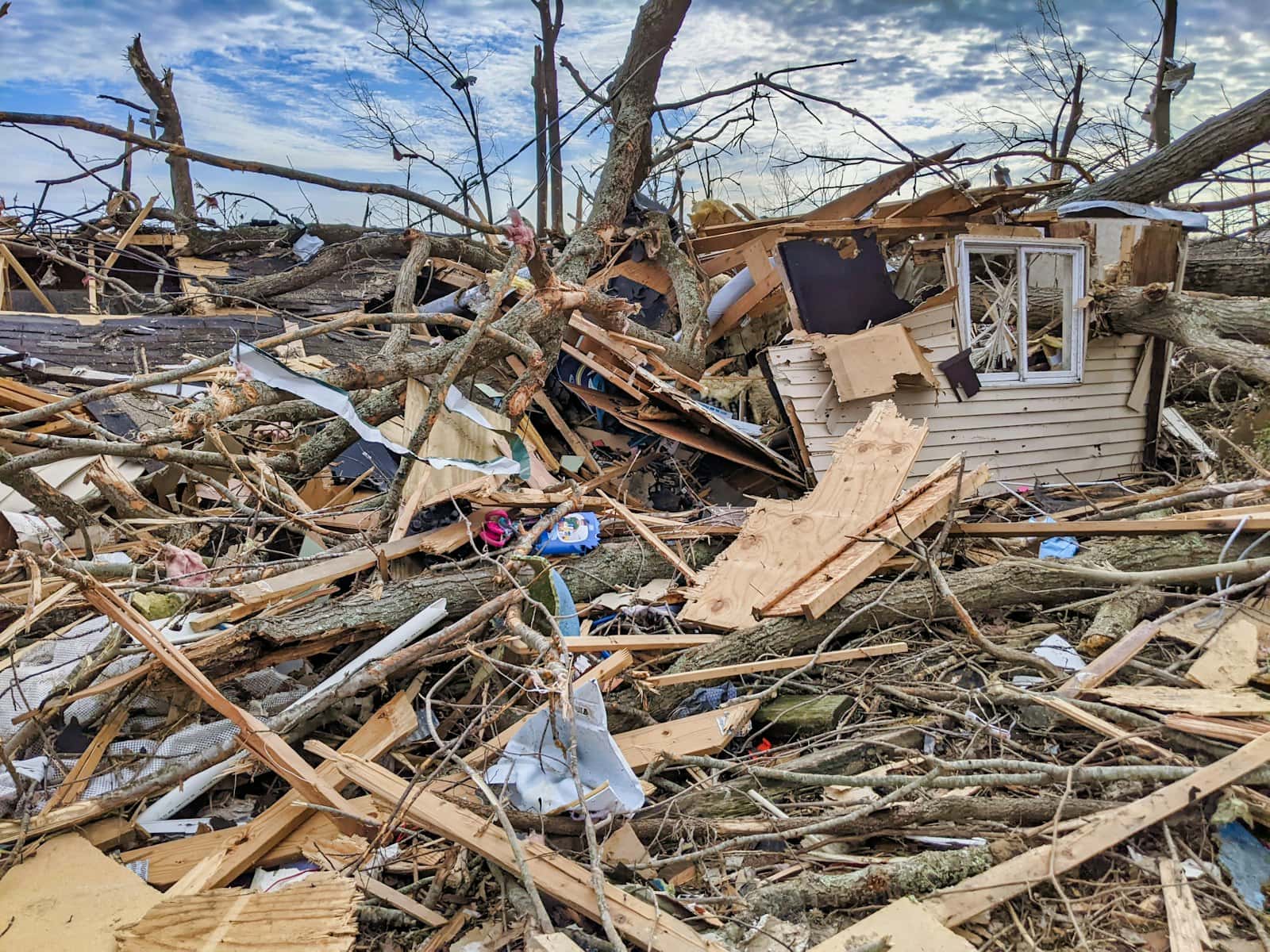
Every lowball offer looks, in the moment, like a private negotiation between you and your adjuster. It is not. It is a repeatable process with recognizable stages, run at scale across thousands of files by people whose performance is measured partly on how fast and how cheaply those files close. That does not require anyone to be a villain. It just means the first number you receive was built to close the file, not to make you whole, and the system producing that number has gotten busier, not more generous. NOAA's National Centers for Environmental Information recorded a U.S. average of 23.0 billion-dollar weather and climate disasters per year between 2020 and 2024, more than double the 1980-2023 long-run average of 9.0 per year, a trend that has stretched adjuster workloads and claim-processing timelines across the industry.
Tactic one: the fast offer
The fast offer arrives while the damage is still being fully discovered, sometimes within days of the loss, framed as good news: a quick check to help you get started. The problem is that a fast offer is built on an incomplete scope, before hidden damage behind walls, under flooring, or in mechanical systems has been found. Once you accept and cash a settlement check, especially one presented as a "final" payment, reopening the claim for damage discovered later becomes far harder. The counter is patience: it is reasonable to tell the adjuster you want a complete inspection before accepting a number framed as final, and to get your own contractor's estimate before you sign anything.
Tactic two: depreciation misuse
Depreciation is a legitimate concept, older items are worth less than new ones, but it gets misapplied in two common ways. First, insurers sometimes depreciate categories of loss that should not be depreciated much or at all, or apply an aggressive depreciation percentage without a clear basis for the specific item's condition or age. Second is the practice of depreciating labor costs alongside materials, treating the cost of a roofer's time as if it too ages and loses value, a practice a number of state regulators and courts have pushed back on. The counter is to ask the adjuster to itemize the depreciation applied to each line, including the percentage and the reasoning.
Tactic three: scope omissions and skipped code upgrades
A carrier's initial estimate often reflects only the damage that is immediately visible, not the full scope required to actually restore the property. Commonly missing pieces include mismatched materials, code-upgrade costs required by current building code (often covered under "ordinance or law" coverage, but only if you know to ask for it), and secondary or consequential damage, like drywall or flooring that has to come out to access and repair the actual failure point. The counter is to get an independent contractor's estimate for the full, correct scope of repair and compare it line by line against the carrier's estimate.